The Rolling Hoarder
Travel, cull, repeat
"It is not the man who has too little, but the man who craves more, that is poor."
— Seneca, Moral Letters to Lucilius
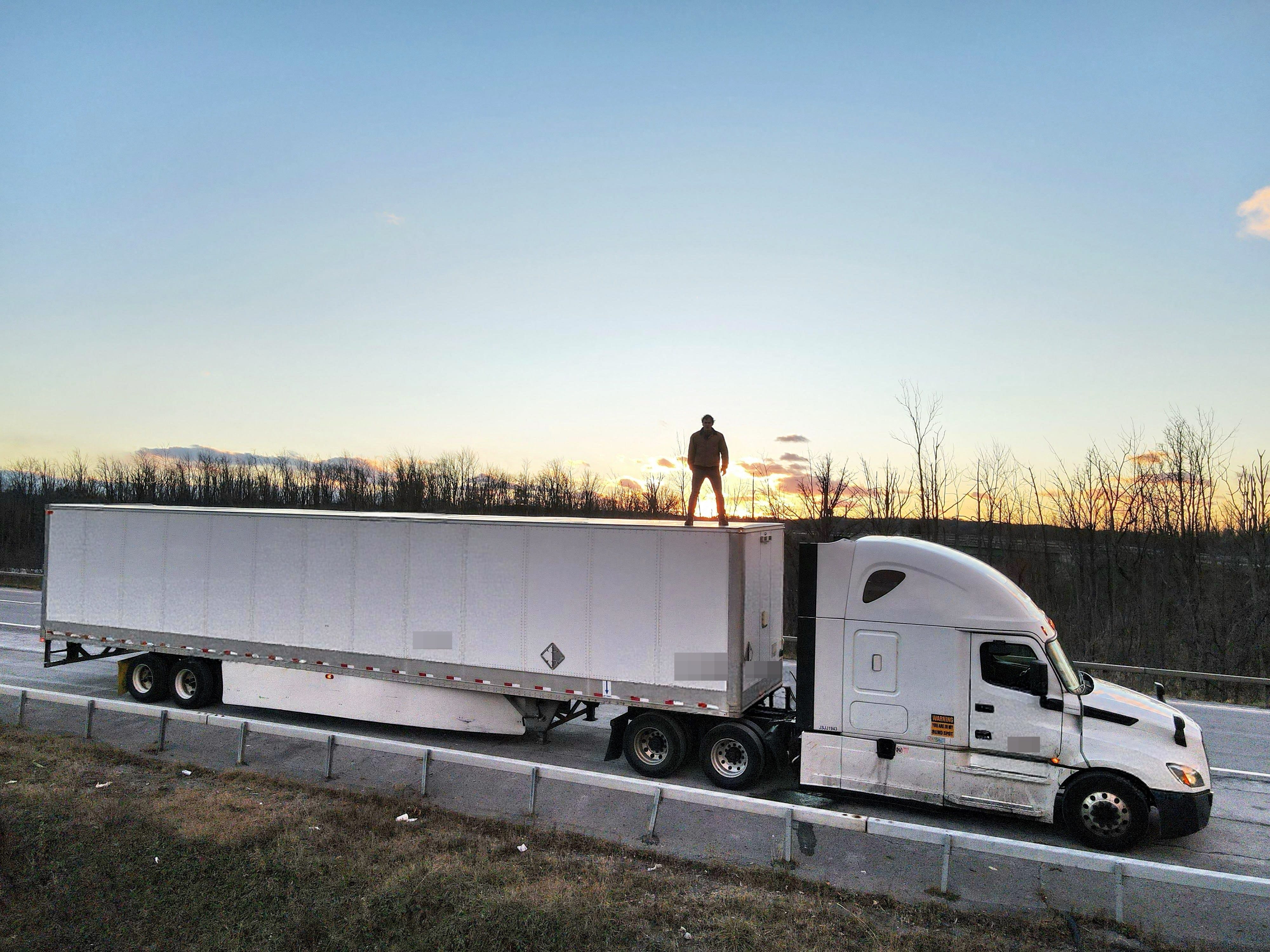
Driving a tractor-trailer through days and nights in the late summer of 2020, my International LT bumped along interstates and local highways arrowing toward docks all over the country. I was a newly hired company driver working on the Over the Road (OTR) account. Like any baby trucker, I had a lot to learn. Lessons from the road are elsewhere on my blog or otherwise saved for a later post. The most lasting lesson that these three years taught me was that my possessions were not a source of joy, but frustrating baggage to be dumped.
I went anywhere and hauled anything that would fit in a dry van trailer. I saved my limited wages by living in the cabin of the truck full-time, and walked or took the train instead of maintaining a personal vehicle. The profession fed my curiosity for new places as each trip allowed me to discover a different city in the lower forty-eight states. I could hardly believe my luck; I was getting paid to travel.
But when the tires bounced in a Mississippi pothole, the trailer leaned on a California cloverleaf, or the cabin lurched as I slammed the brakes behind a Boston commuter, something came loose in the sleeper berth behind me. Unread books, unworn clothes, untouched tools, an uncharged computer, and unheard jazz cassettes slammed together and hit the floor on every broken curb and neglected frost heave. After the snap and hiss of the airbrakes at the end of the night, I went back there to pick everything off the ground. I would open the cupboards a crack, shove it all back before opening them the rest of the way, and return rolling soup cans back to an upright. I did not have much, but for the size of my living space, the density of it all was something like a hoarder’s closet.
I started practicing minimalism out of pure necessity. I freaked out when a soup can rolled near the accelerator. A few more inches to the left and it would have blocked the service brake (the engine brake is hand-operated). Plus, this daily mess was eating up my time. I worked fourteen hours per day, slept another eight, and spent no less than a half-hour reordering fallen debris back into its place. Reorganization accounted for a quarter of my two hours of personal time. Why did I have all of these tools? I didn’t need to change tires, the company handled repairs. And all those cassettes? I did not even own a tape player. But a can of Campbell’s Chunky rolling under the brake and causing an accident? I would never forgive myself.
I liked the spaciousness and ample storage in the International when I moved into it at a truck terminal yard in Detroit. Now that I had been on the road long enough to grow weary of moving stuff off of my bed just so I could sleep in it, the storage that had been a feature had turned to a bug. I submitted the truck for repairs at a Tacoma, Washington truck shop for a ninth-gear shaking problem, and faulty code that had disabled my cruise control. When the mechanic came back three days later with no fix, I opted to stop losing time watching raindrops hit the parking lot and switch trucks.
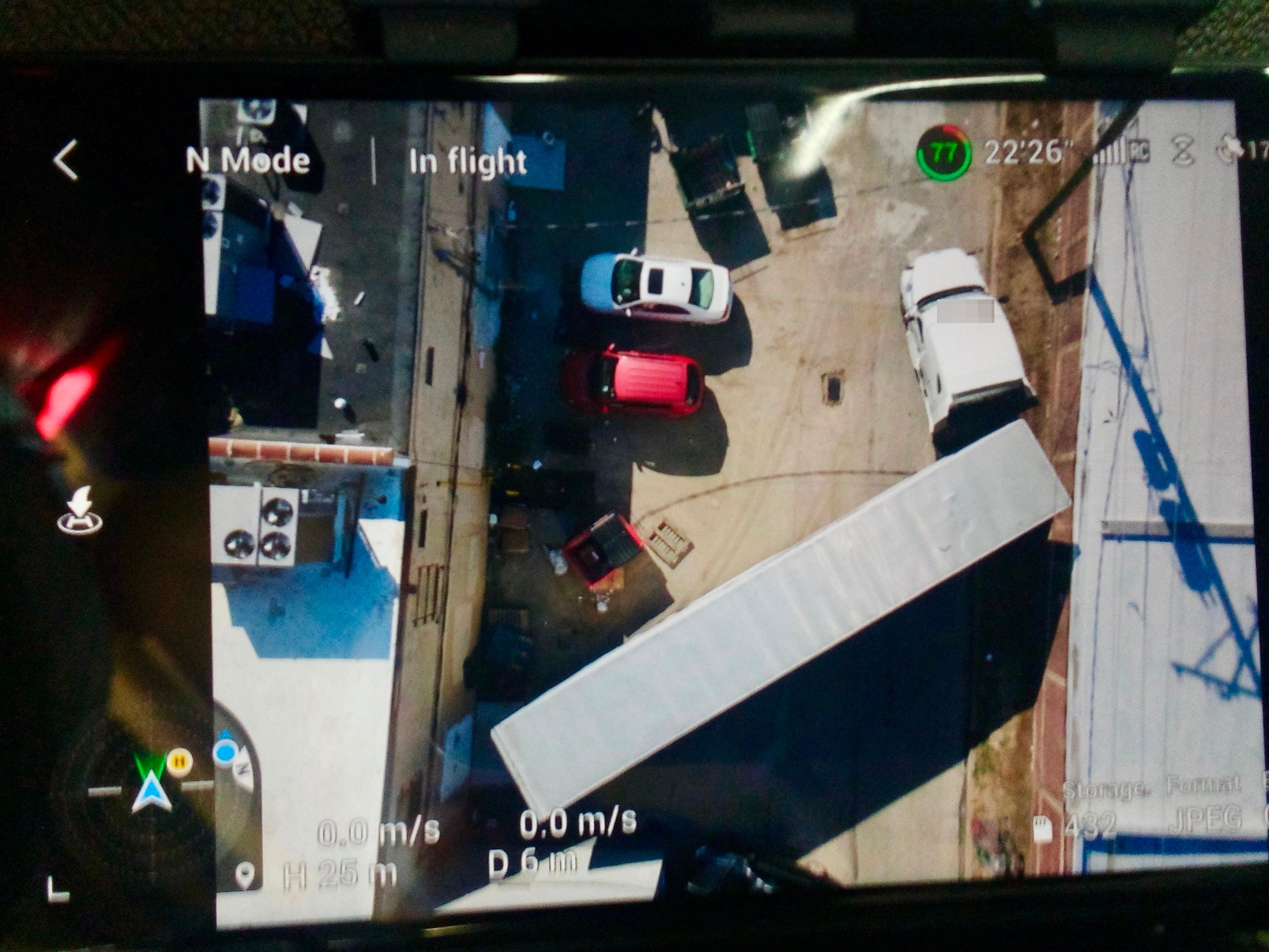
Freightliner’s Cascadia line is a reliable lot. They are good machines that gain in utility what they lose in amenities. The cabin was even smaller than the International LT, with fewer storage compartments. The ninth-gear shaking problem had started four months into my time on the road, and I had been procrastinating a purge for at least three. Now that my space in the new truck had shrunk, I could not put it off any longer.
I ditched everything that I had not used in the previous four months. I justified the books by telling myself I would get around to reading them, but I decided not to take anything with me that sat untouched. If the only time I handled an item was to pick it up off the floor, how much did I really need it anyway?
Over the next three years of trucking, switching from OTR to a regional account in the Mid-Atlantic, I continued what I started back in Washington. When my truck went in for a breakdown or preventative maintenance, I asked to trade for a road-ready Freightliner, and moved my things into it before handing over the keys to the previous unit. The shops did not mind. It was a net zero in their truck inventory with the bonus upside of one less company driver asking if their truck was ready yet.
Moving forced me to touch everything that I owned and decide whether it had a place in the new setup. Switching trucks for the first time took half the day, but by the eighth or ninth switch, I completed the process in less than fifty minutes. I spent most of that time tinkering with the CB radio connection. It was just a little more than the mandatory 30-minute break, shorter than an inspection, barely an interruption. It became a game when I moved to see how many things I could purge, scoring points for everything that landed in the "donate" heap. My kit whittled down with every cycle through a terminal yard.
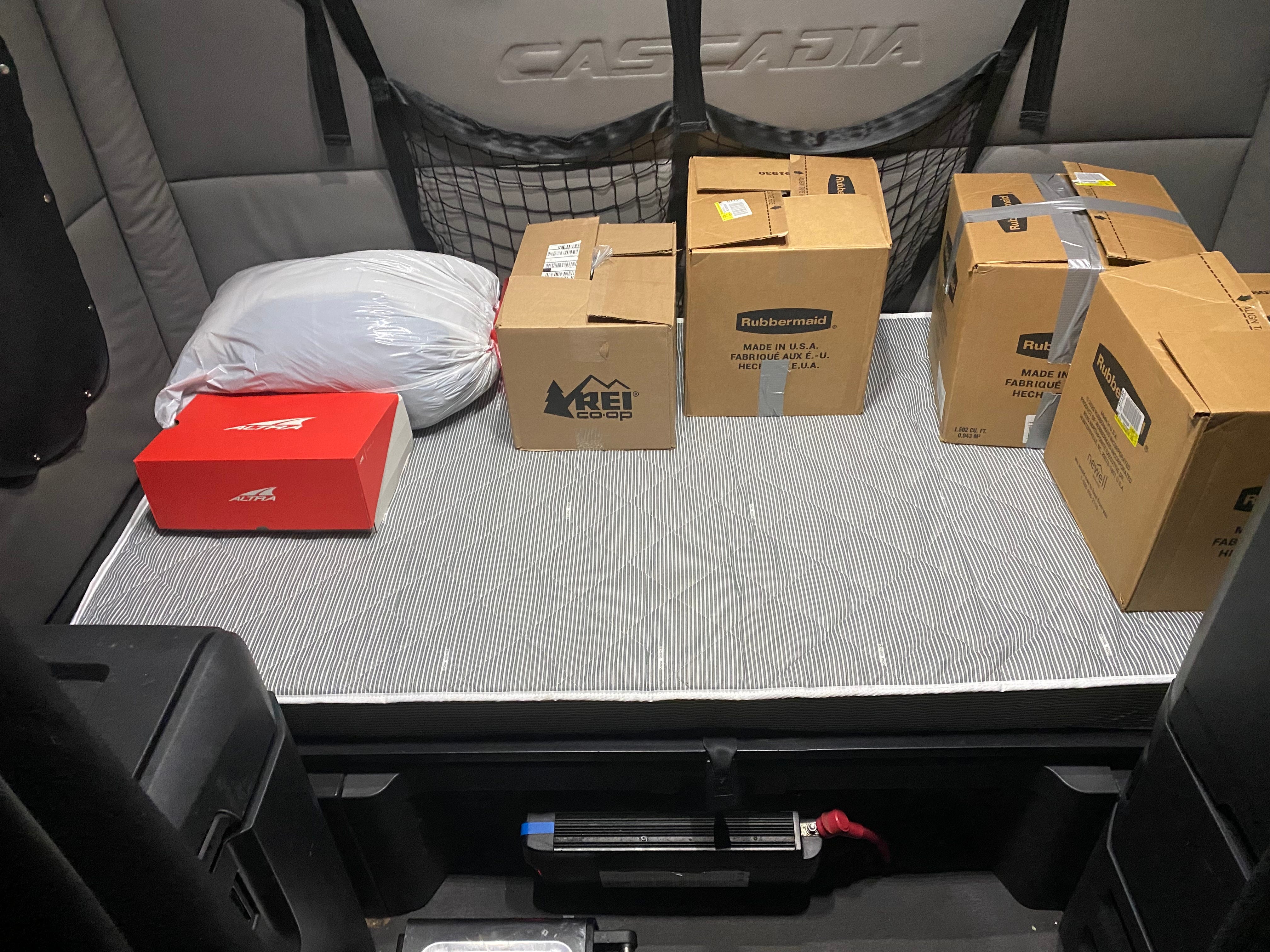
I carried a yard of adhesive Velcro and stuck everything to the wall that was light enough to spill or fall over. I fixed a child safety lock to my refrigerator to keep the door from dumping cans of Canada Dry onto the floor when it swung open. I trimmed my tool kit to the emergency essentials required by law and the few items I used on a weekly basis. I culled my canned food to a single day’s worth of emergency breakdown chow and filled the reclaimed space with a grill to cook fresher options. Water jugs, that I refilled once a week to save on the cost of bottled stuff, replaced the tote of cassettes and CDs. The top rack in the Cascadia, which had been a junk heap in the International, became a permanent guest bed for (the multiple occasions) when I found someone on the road with no other place to stay.
Slamming on the brakes when someone swerved in front of my truck was no longer followed by the crash of junk falling behind me. Bumps in the road were nothing more than just that. Now when the airbrakes snapped and hissed, I retreated into my tiny truck-cabin home without starting a cleanup of everything that had fallen.
I worked more efficiently when I knew where everything was. I possessed a clearer mind when there was less stuff to track. With no clutter, the sleeper berth presented itself as an ample space, because it stayed tidy and spare, with nothing spilling out. My tiny home on the road gained in peace what it lost in chaos, and I found I had more time to read, (thus churning through book titles faster). Unburdened from the paperwork heap it held before, the passenger seat now waited vacant for the next hitchhiker (and there were multiple).
It was conscious work to have a good life on the road. Maybe I had subconsciously accumulated all those things so it would feel like I was surrounded when I was really alone. Having stuff did not change that spurt of loneliness, but getting rid of it helped me see my position more clearly. I have since applied the same process, with great success, to my kit in travels through the wilderness.
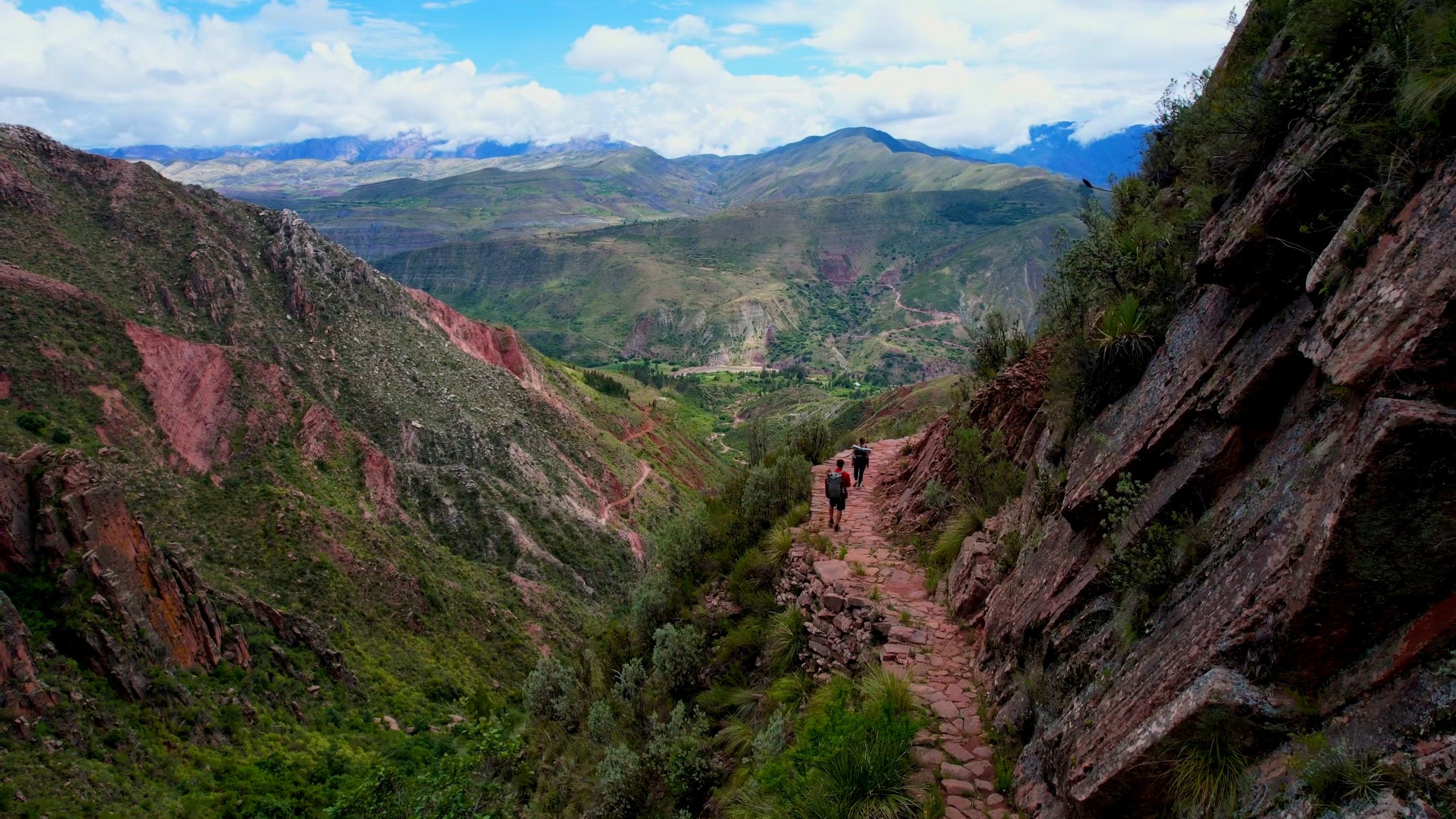
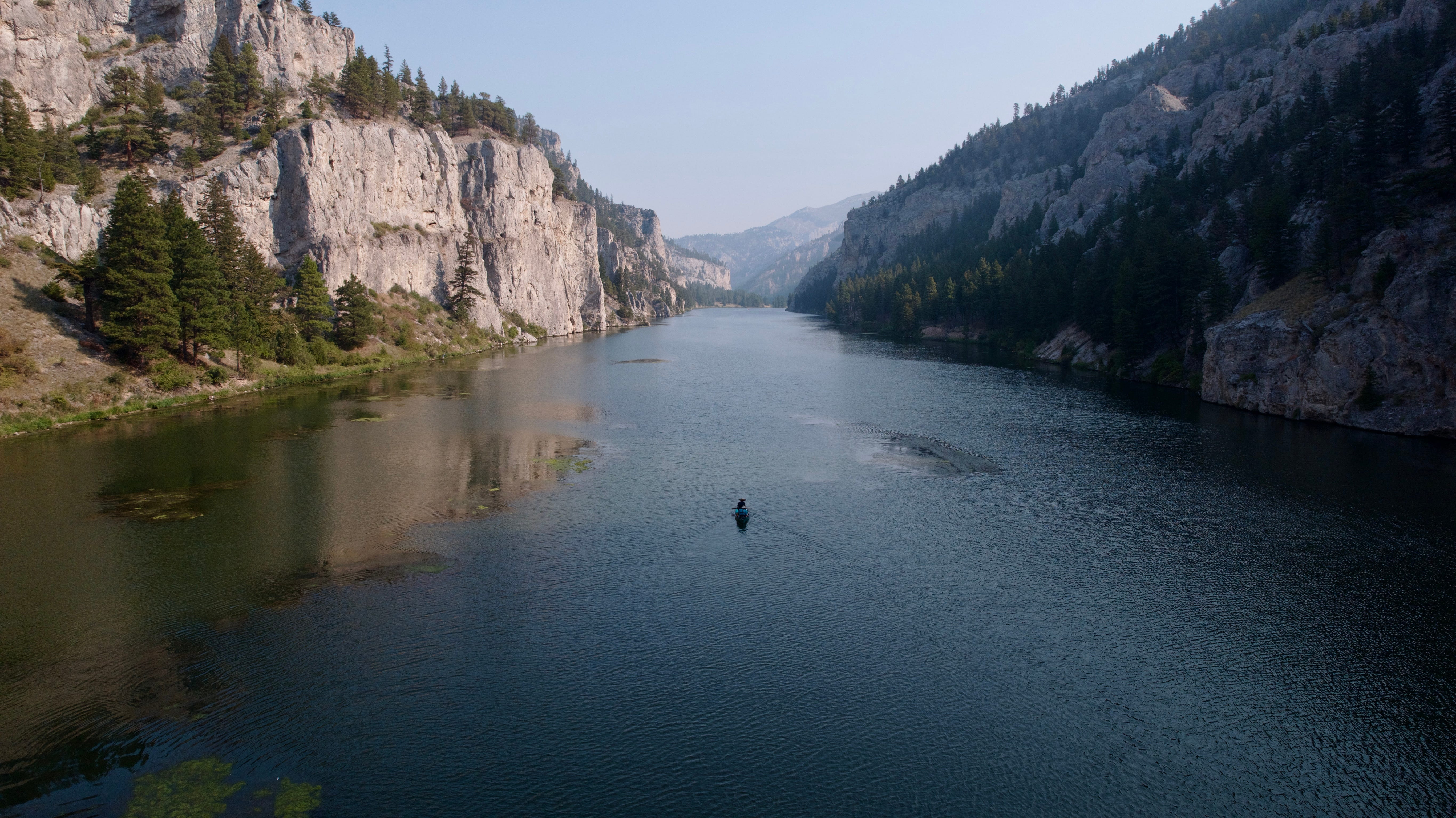
I have logged more than six thousand miles on wilderness trails from Western Australia to the Appalachian Mountains to the Andes. I have paddled more than five thousand more down American rivers in similar fashion, sometimes alone, but usually with a companion. The memories I have of these expeditions stand mountains above anything I have experienced before or since. None of them would have been possible without the lessons I took from the road.
Toting a backpack or loading a canoe operates on a similar logic as working and living out of a tractor-trailer: travel, cull, repeat. The less I had bouncing around the truck, the more efficiently I worked. The less I carried in a backpack or packed in a canoe, the more mountains I climbed and river miles I paddled. The more I let go of false security in owning possessions, the more peace I enjoyed by having less.
Author’s Note:
I did not own any of the trucks that I operated from 2020-23. I blurred identifying details in photos, changed terminal locations, and withheld my employer’s name because they did not know I was picking up hitchhikers or giving homeless people a place to stay. Better for both of us that it stays that way. I believed then, and still hold, that obedience to insurance terms is an insufficient excuse to leave a human being out in the rain when there is a perfectly dry bed right above my head.
The photos are gorgeous. Please share more of them from your travels. Dottie too!
Sir - I think you will like my book
https://creedandculture.com/books/end-of-the-road-inside-the-war-on-truckers/